
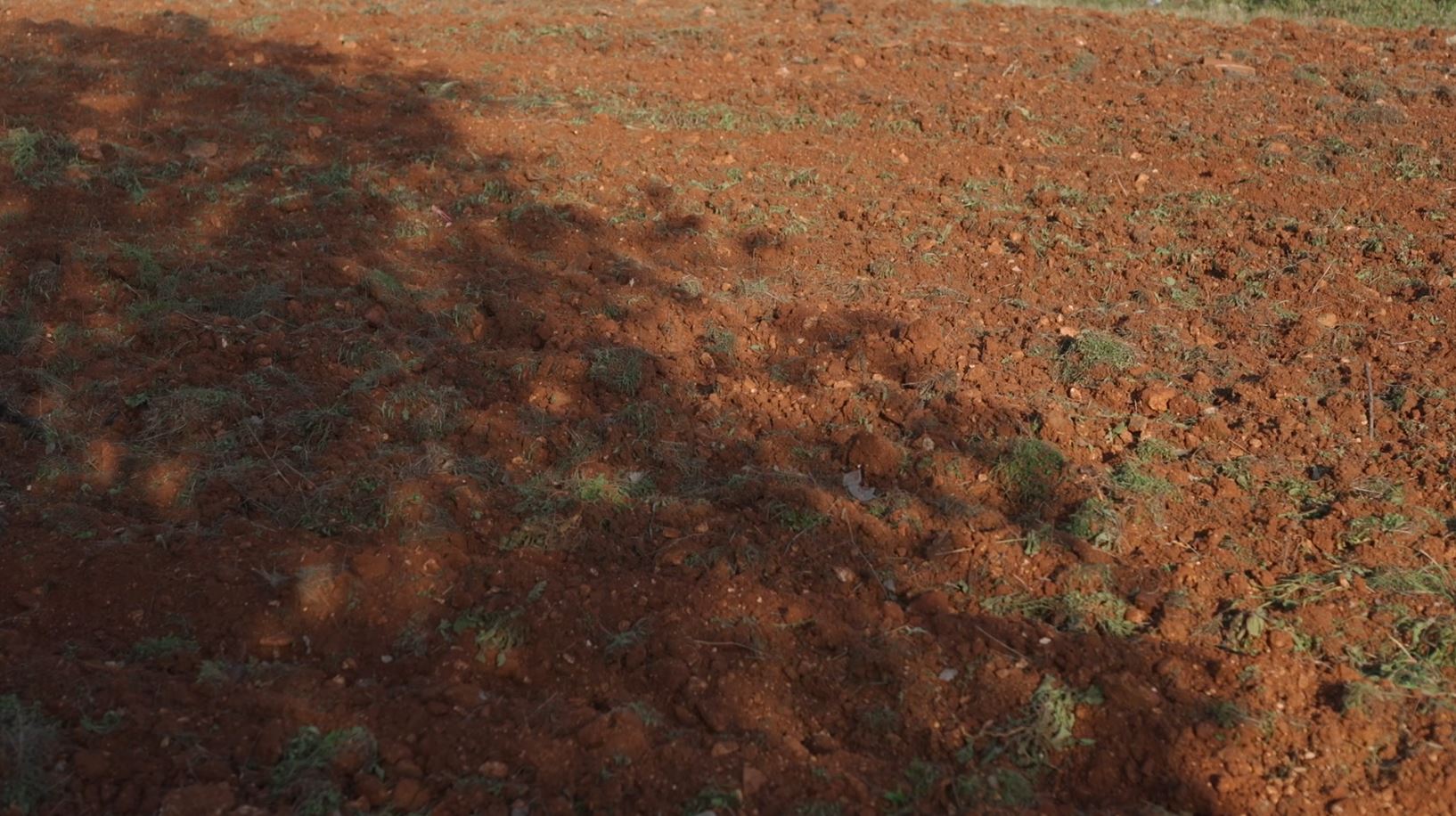
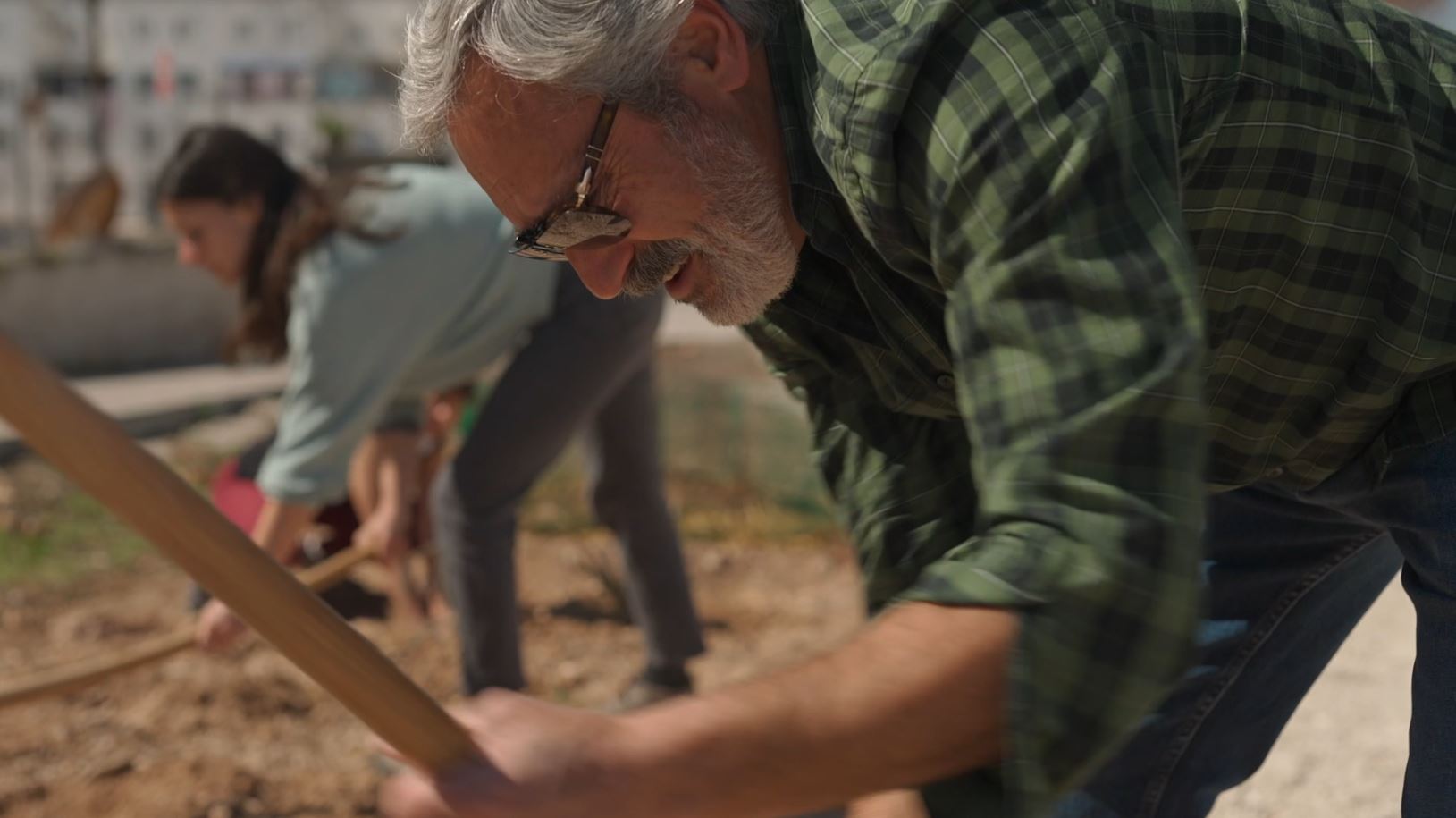
“[Gardens] reveal man’s need for earth, to move it, to touch it: the need to return to one’s roots. I am certain that much of people’s unhappiness is due to having severed these roots.”
Umberto Pasti. Gardens. The Real Ones and the Others.
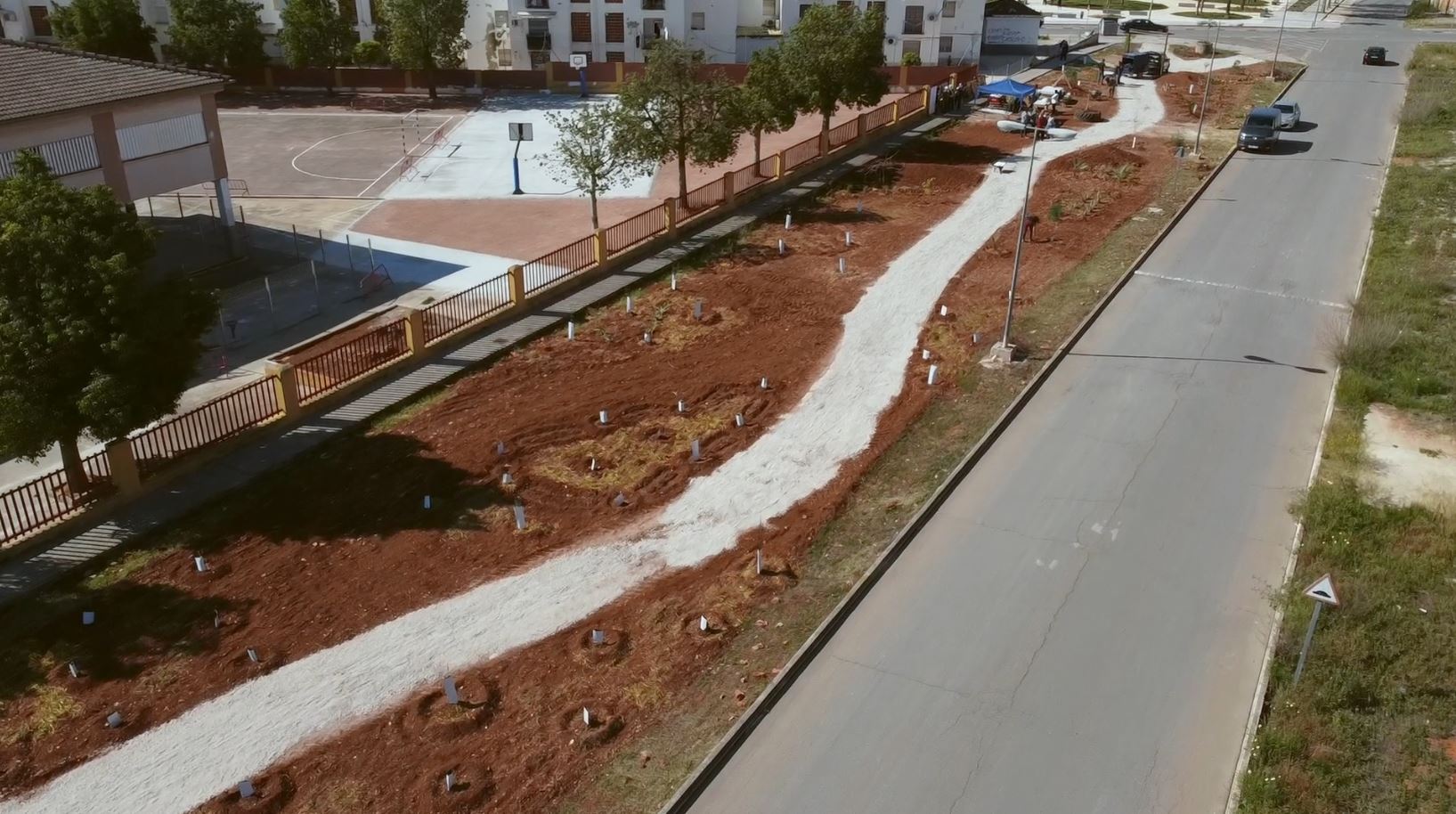
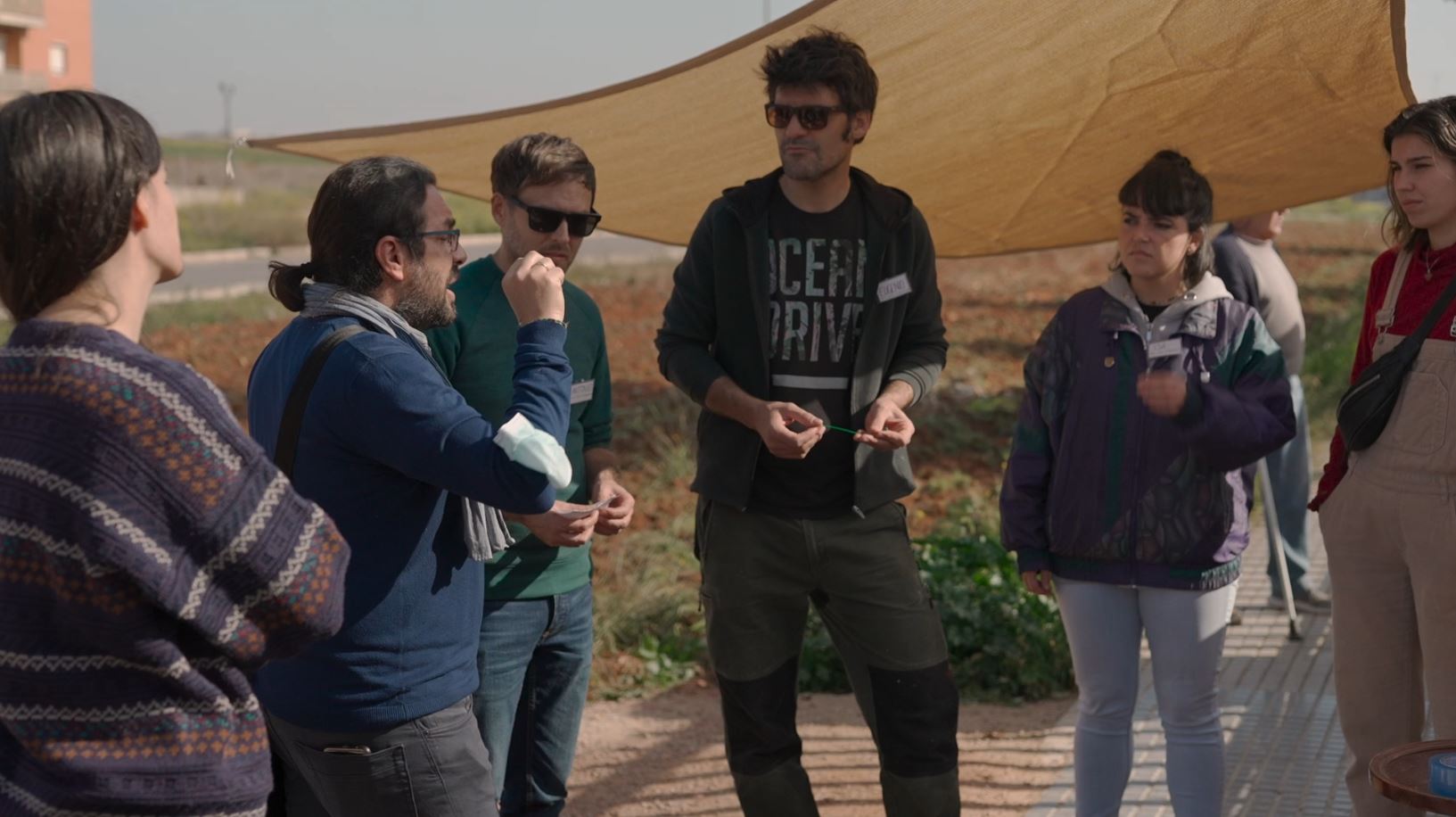
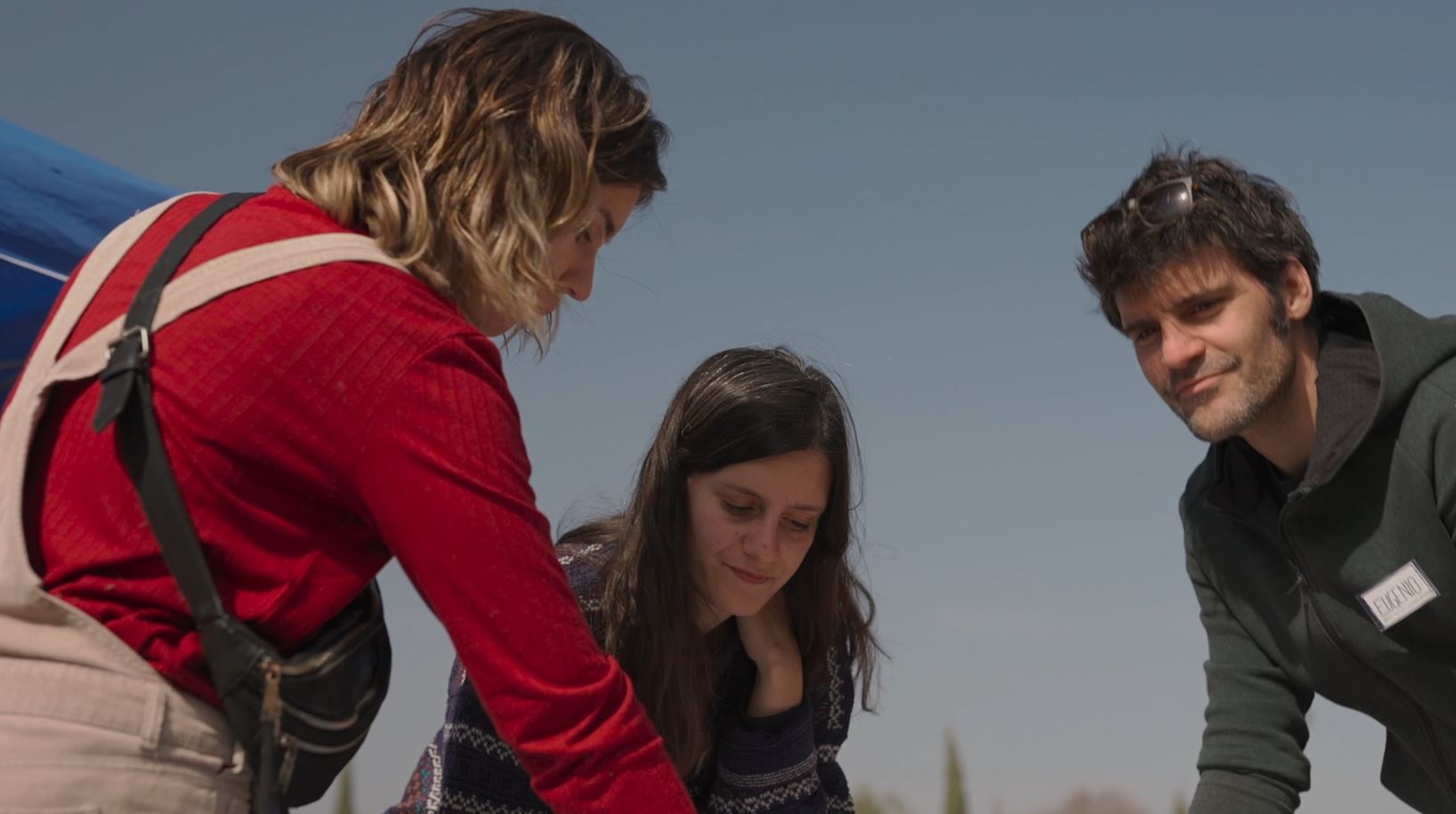
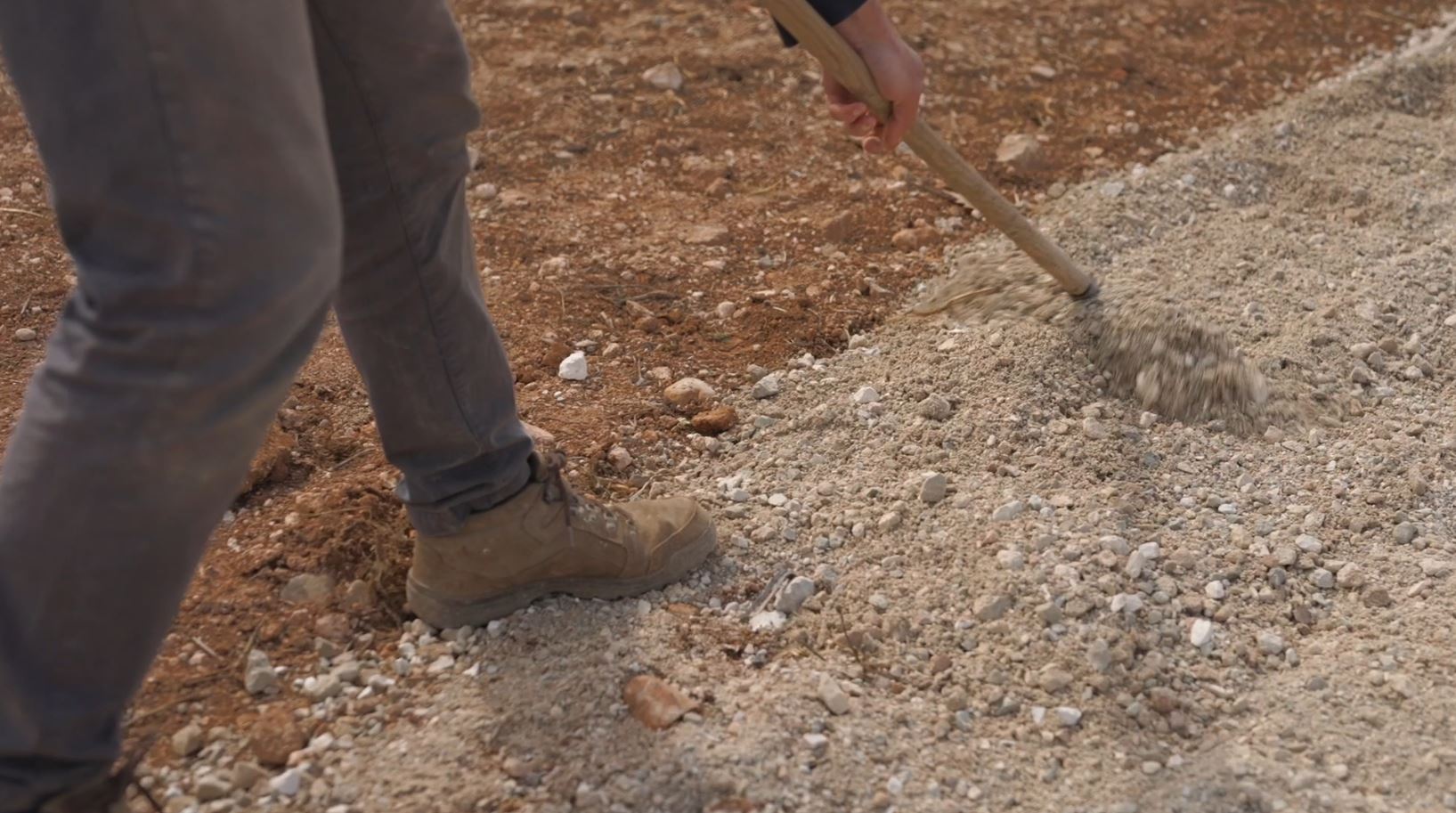
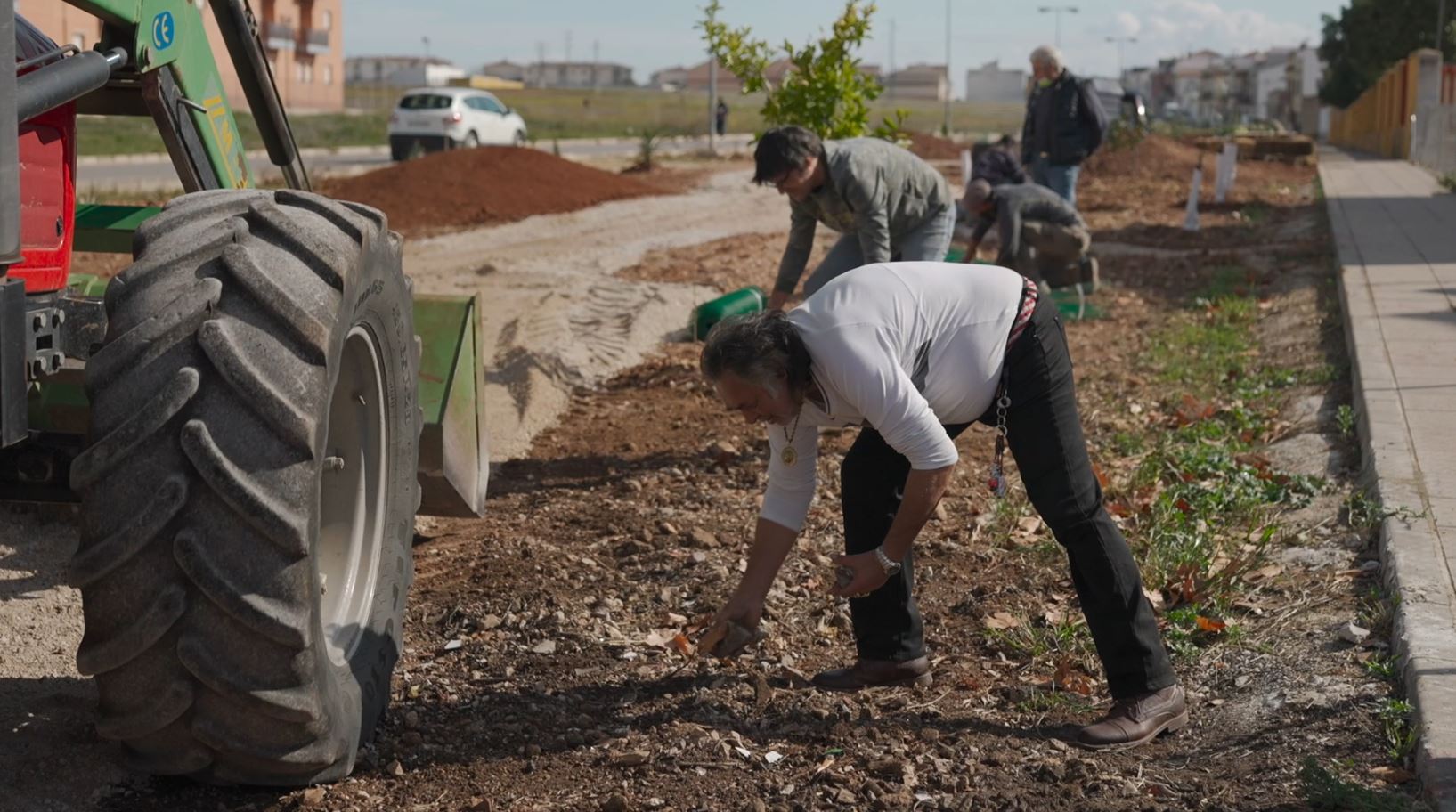
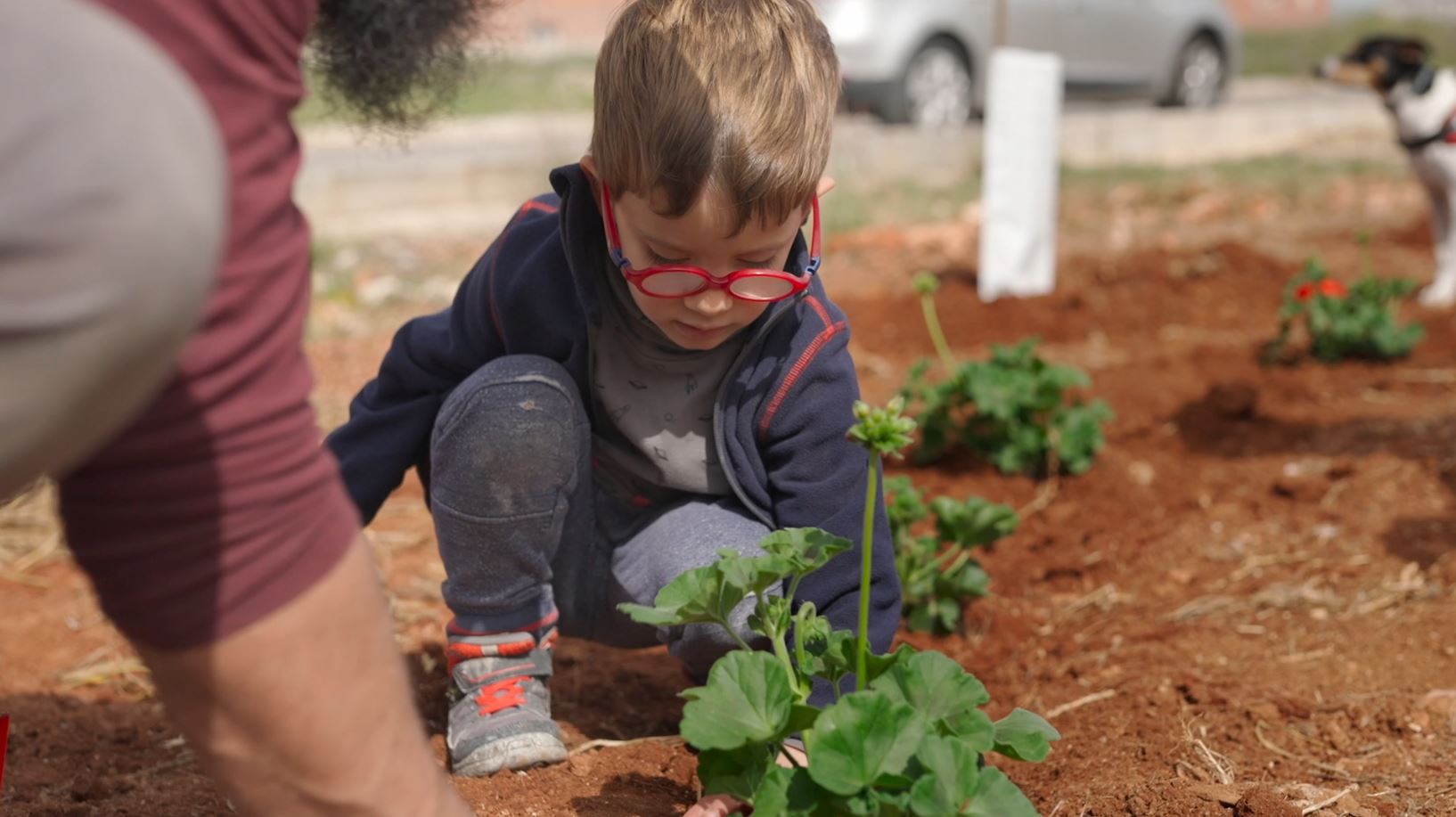
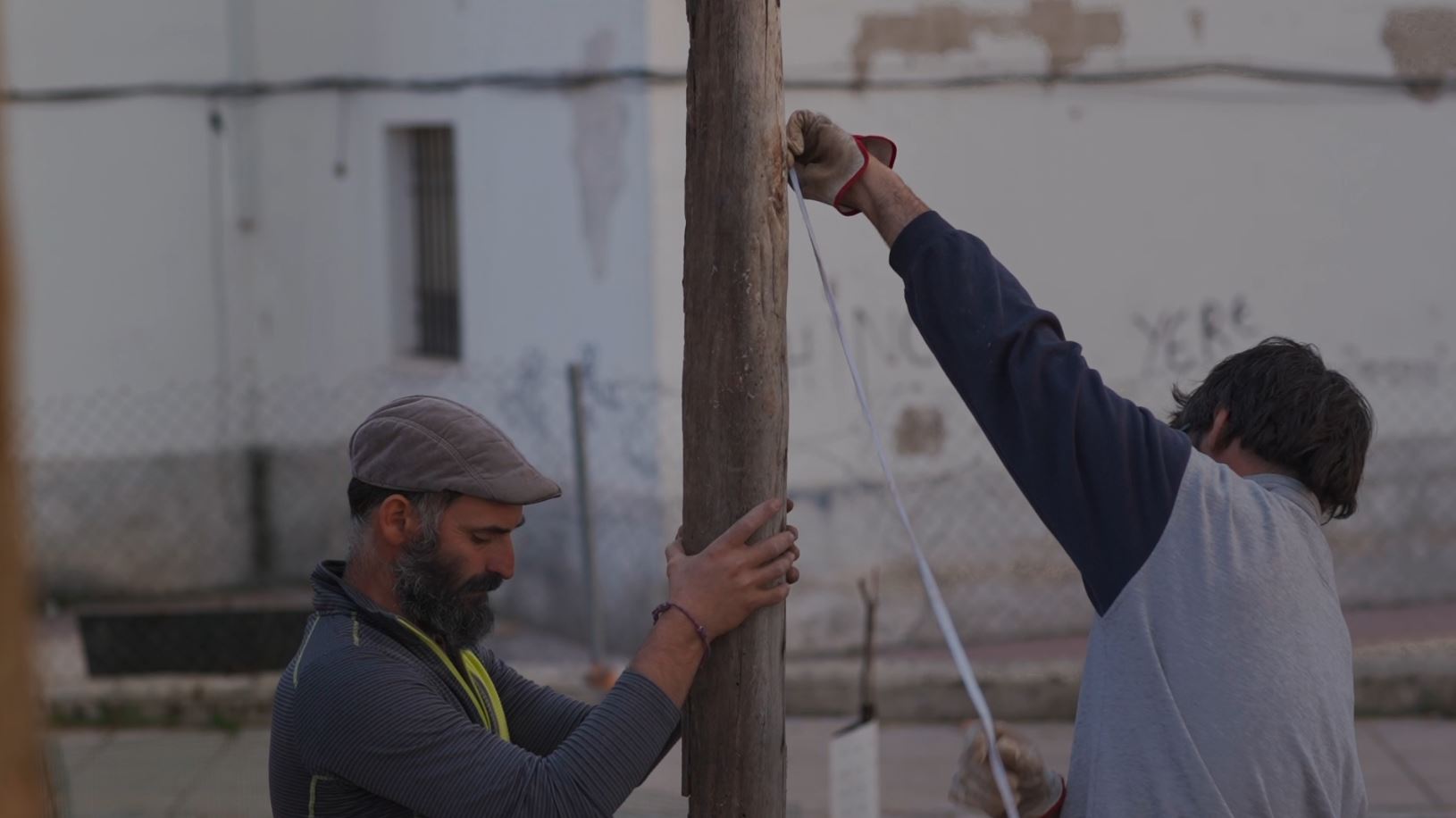
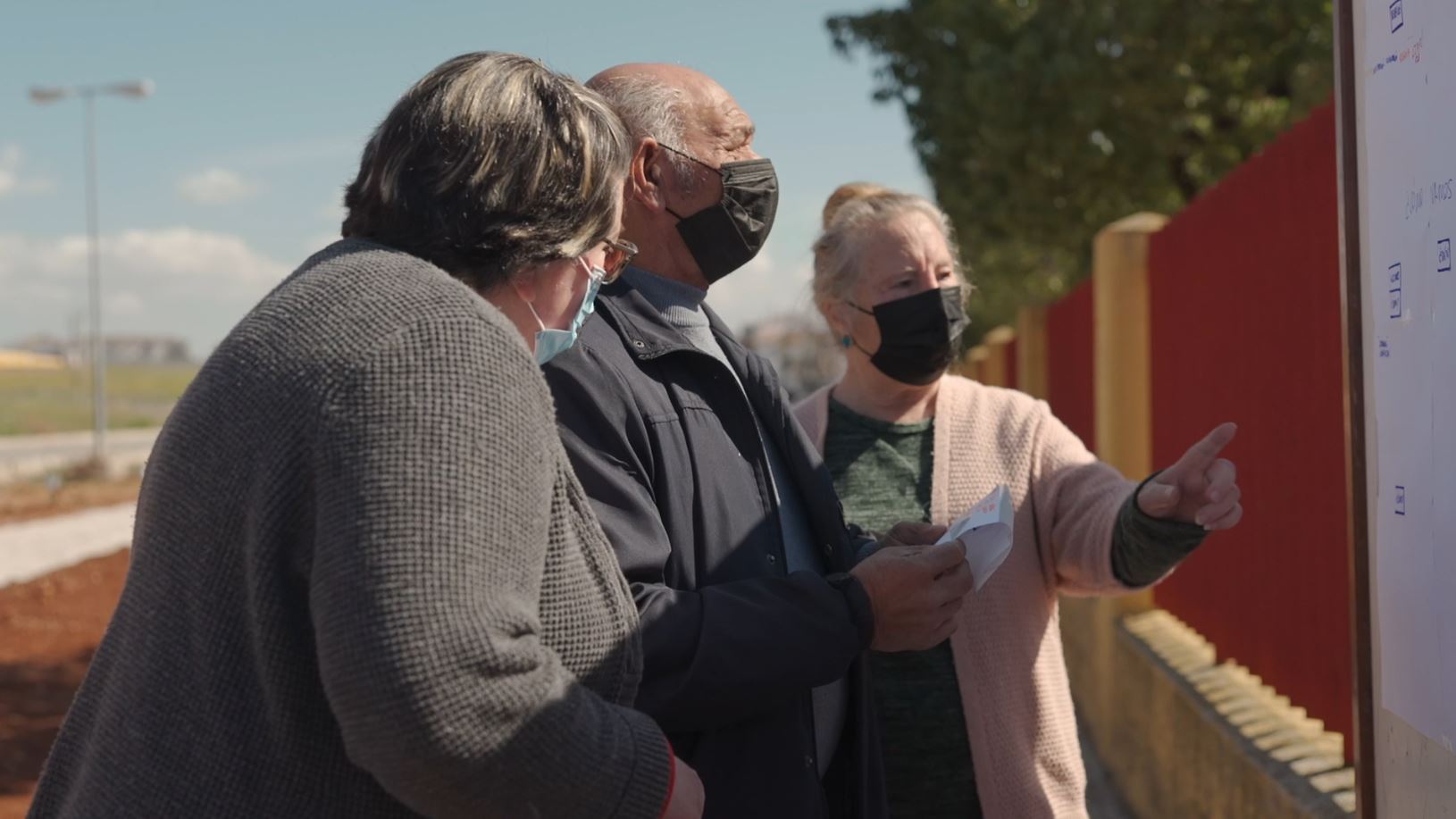
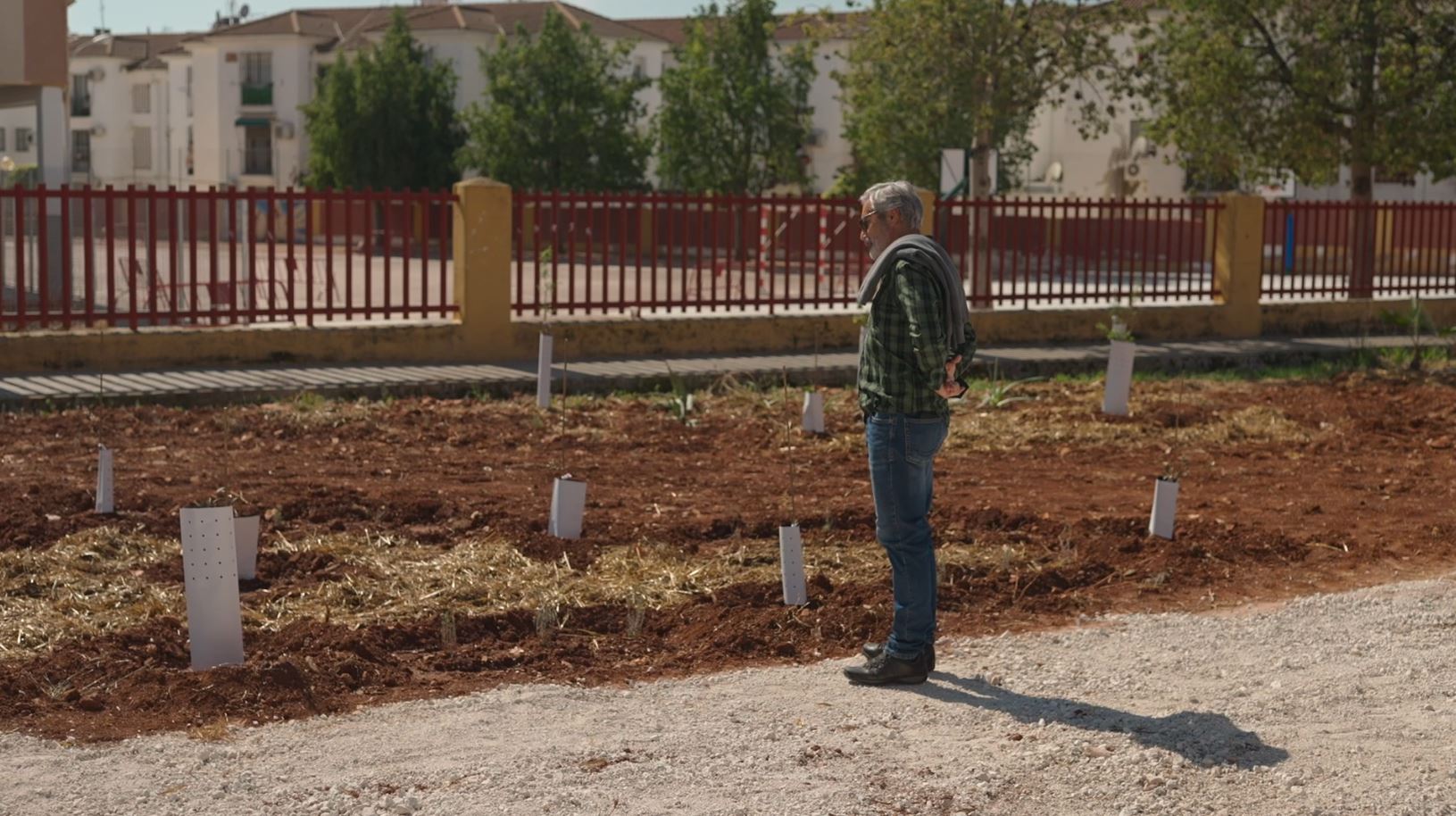
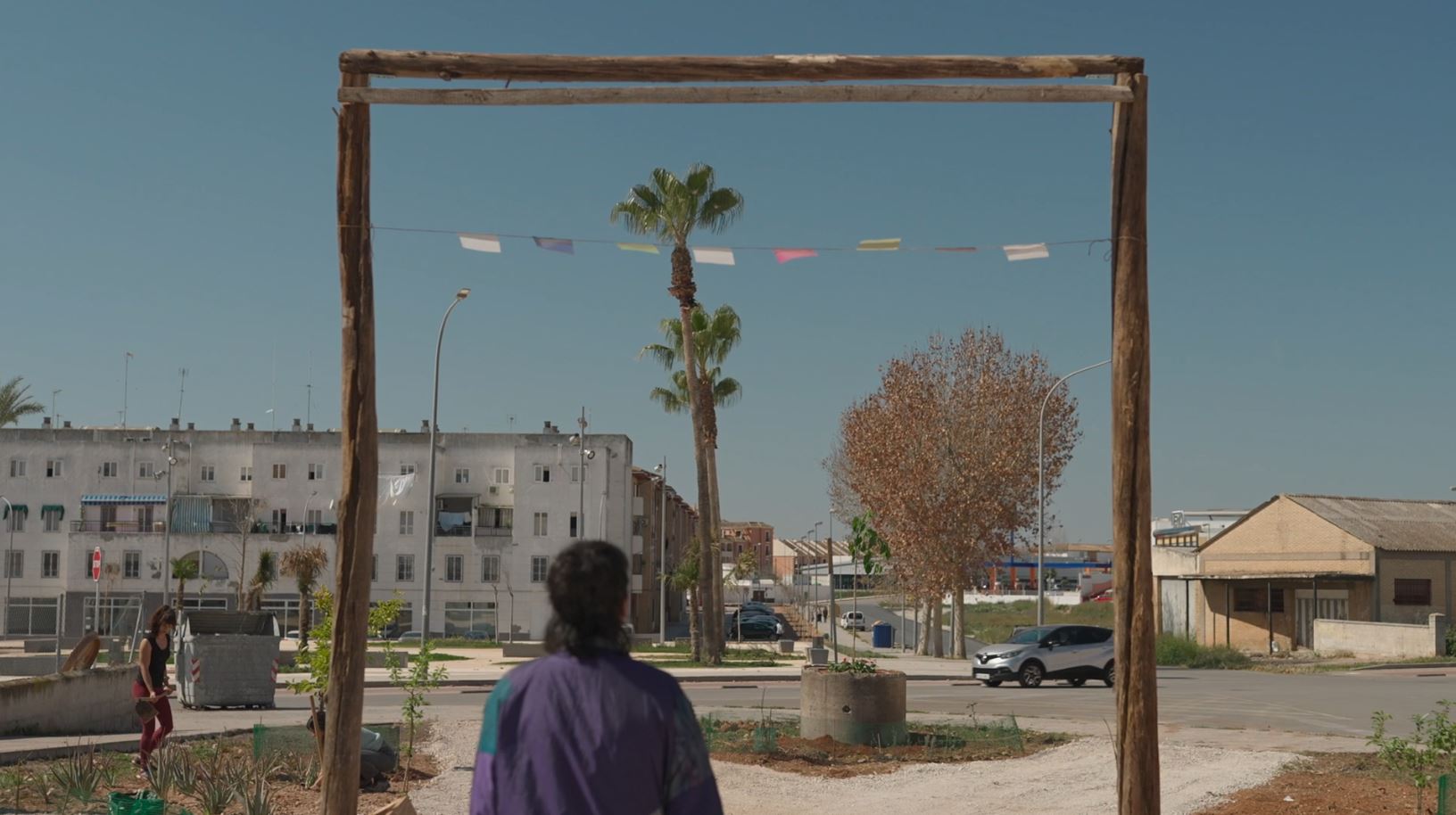
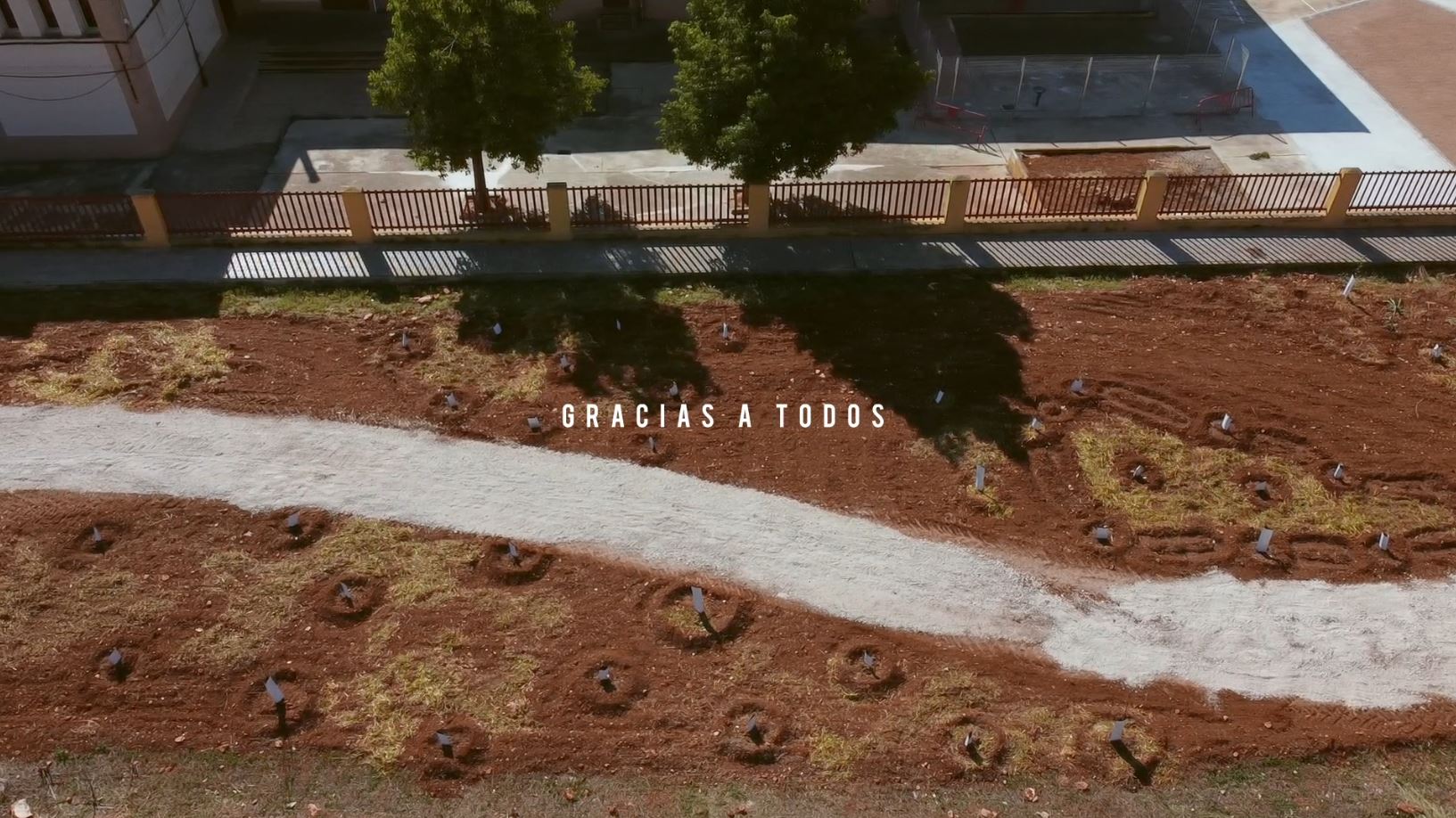
An Emergency Garden emerges from the confluence of visual arts, architecture, and audiovisual media, forming a relational art practice that aspires to impact the social reality of neighborhoods at risk of marginalization in the city of Puente Genil.
Faced with the persistent question about the subjects that occupy art and architecture, the project An Emergency Garden is conceived. A work that, from a cross-disciplinary perspective, shifts its focus toward issues of undeniable urgency such as social, cultural, and environmental sustainability, whose imbalance is accentuated in urban areas marked by poverty and high risk of exclusion.
Throughout the 1980s and 1990s, numerous urban development initiatives were carried out at the regional level with the aim of responding to the housing demand of a large population with limited resources.
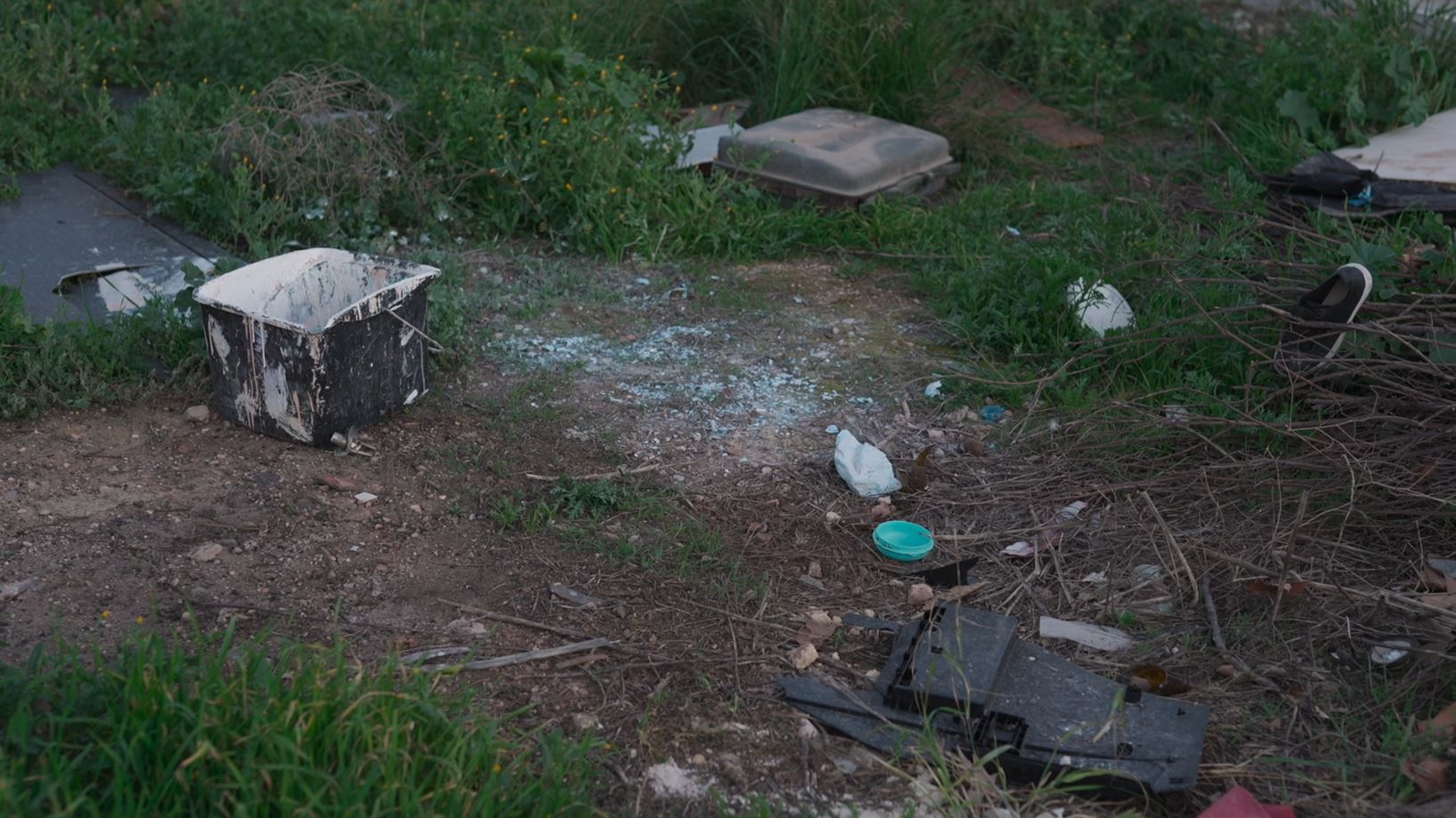
Specifically, in Puente Genil three residential complexes were built: Barriada Poeta Juan Rejano, Barriada Francisco de Quevedo, and blocks on Bailén Street. As documented in both the II Neighborhood Plan (2010-2014) and the Local Intervention Plan for Disadvantaged Areas ERACIS (2019), the isolation of these housing units from the rest of the municipality, the lack of nearby services, and the concentration of populations at risk of social and cultural exclusion; combined with urban design, the typology of isolated housing blocks, and low construction quality standards of the buildings, led directly not to the solution of the shortage of decent housing but to the creation of ghettos.
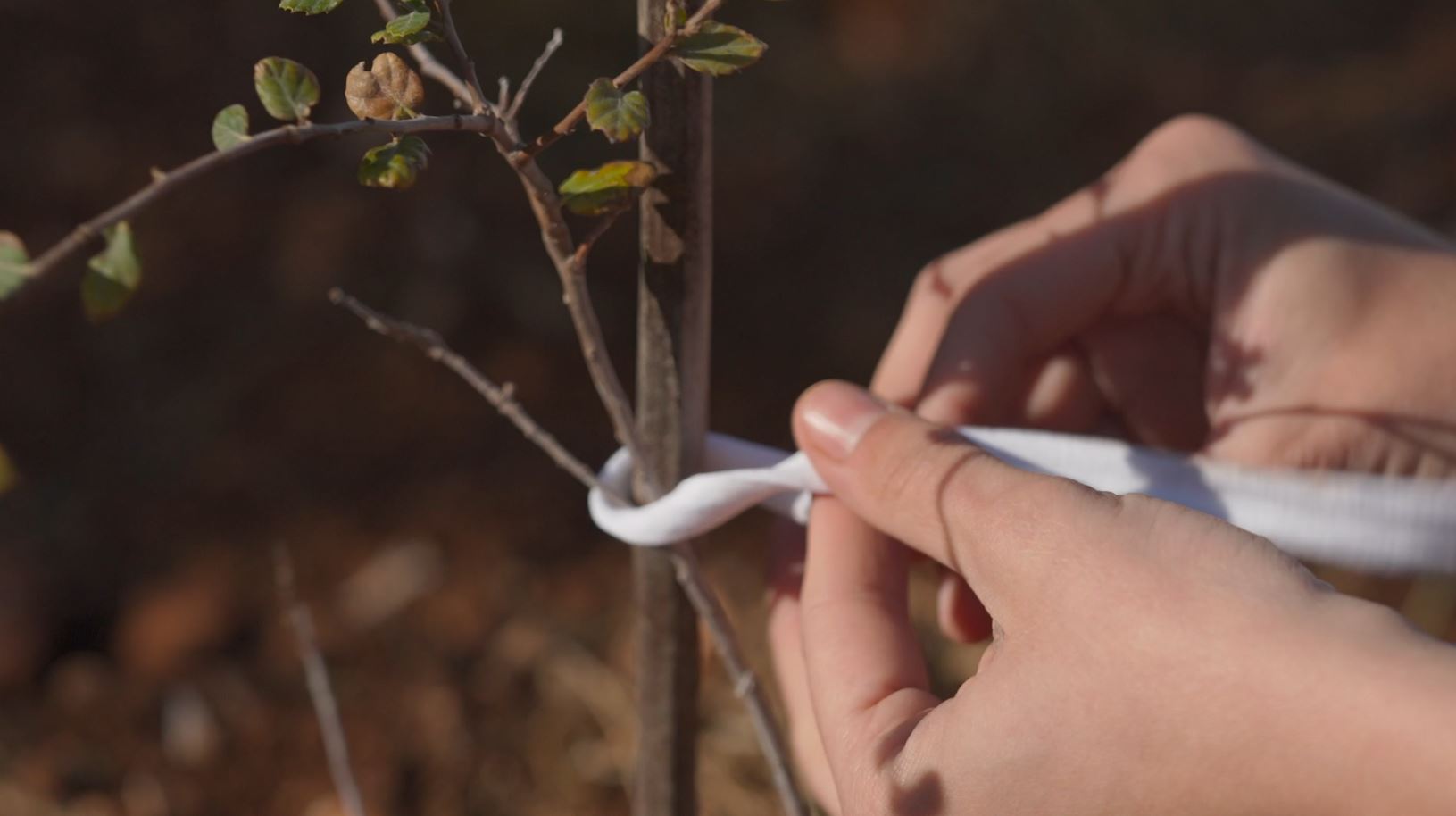
Faced with such complexity, and in keeping with the modest scale of the project, it does not seem possible to propose direct solutions. However, it does seem logical to begin sowing seeds. To start walking in a different direction within these forgotten, displaced, invisible territories. To create connections between neighborhoods where barriers had previously been erected.
In this regard, green space appears to have great potential to become the best ally toward change. Green infrastructure (parks, corridors, boulevards, etc.) functions as a buffer space and a point of connection and encounter between urban fabrics of different character.
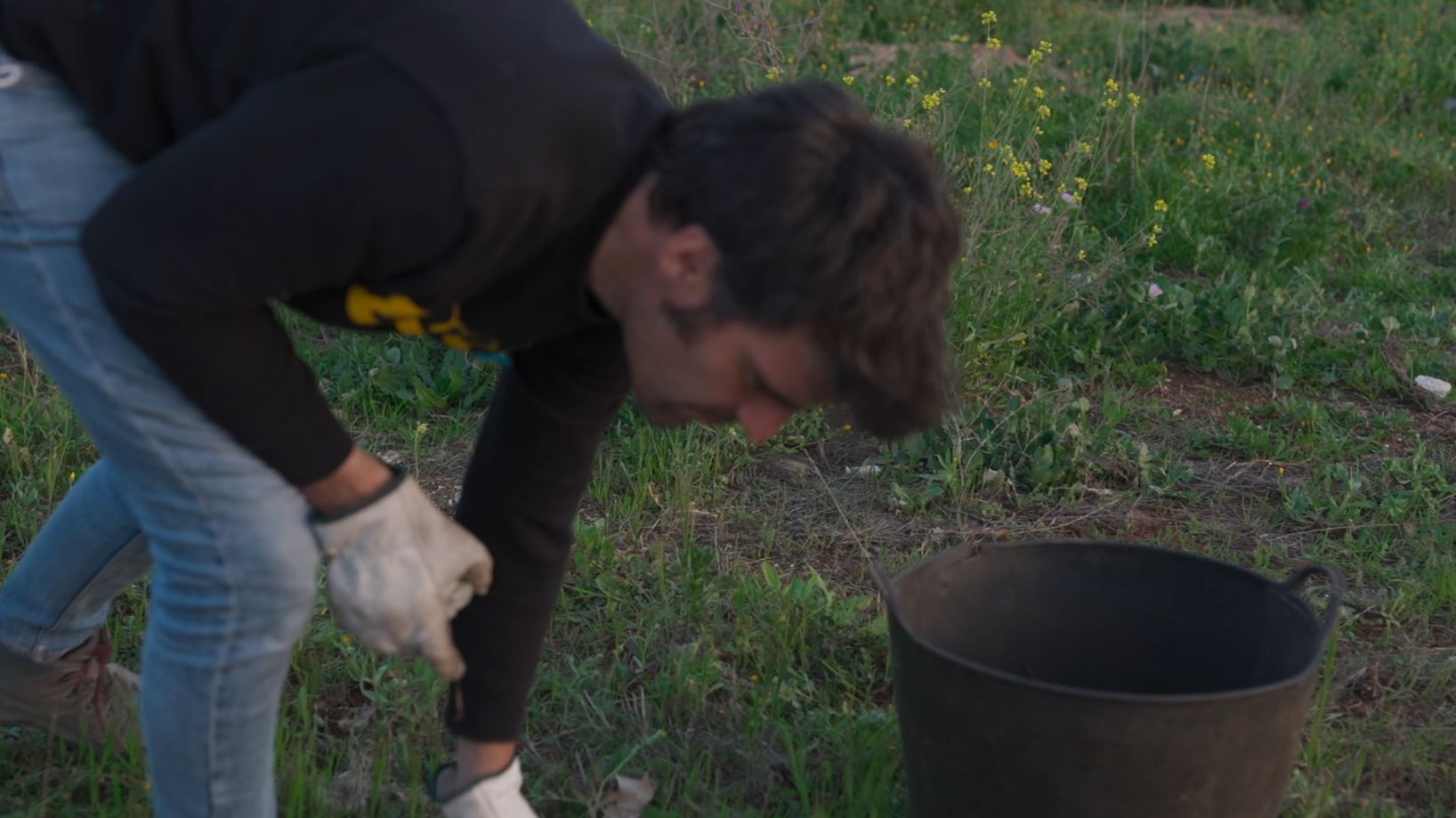
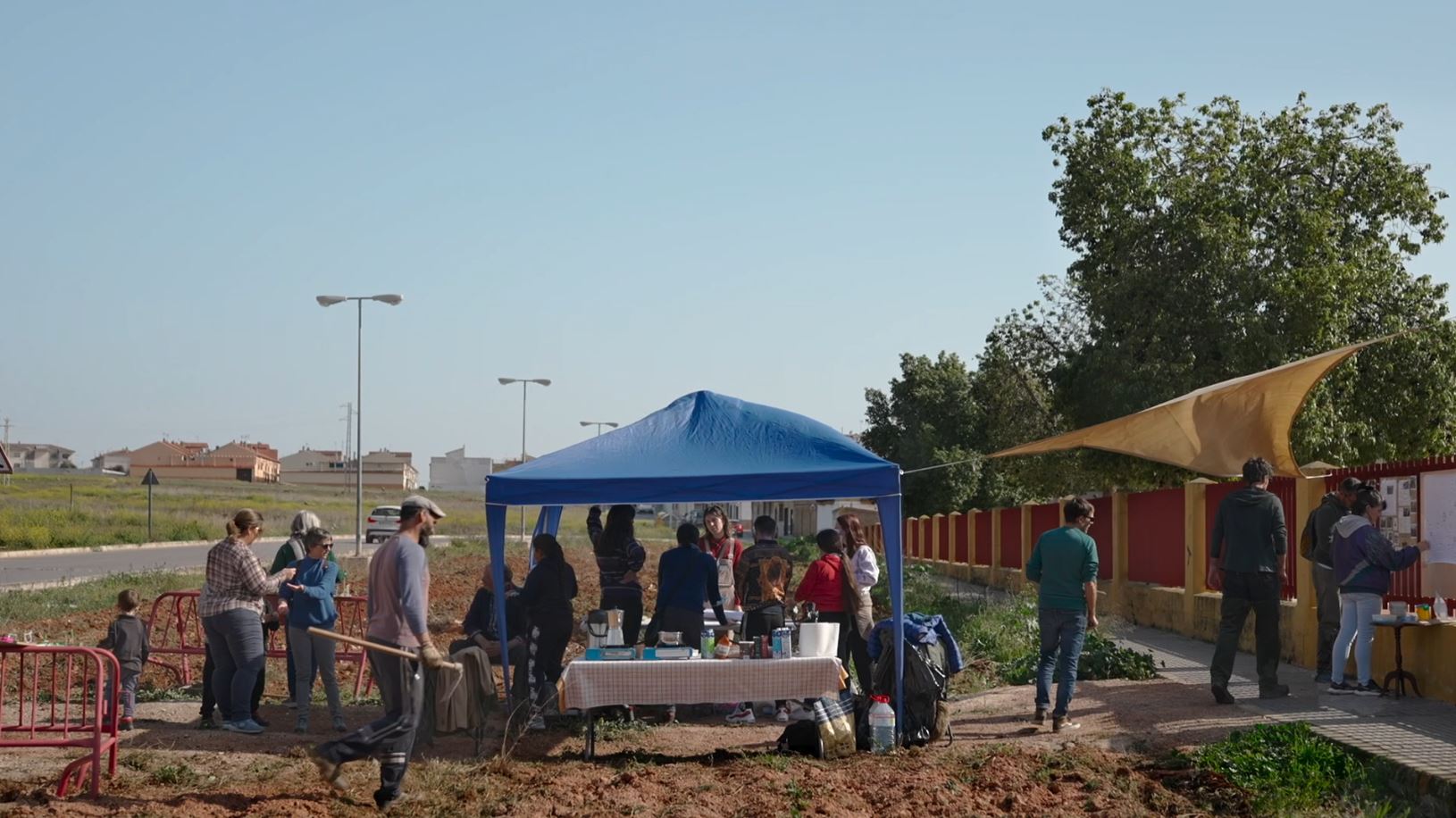
A garden is an oasis, a space of beauty with the capacity to improve our relationship with the physical environment (topophilia) and simultaneously positively affect the self-esteem of those who inhabit it. From its very creation, a green space can become an optimal platform, a meeting point and learning space for transdisciplinary work from which to manage the complex reality of these neighborhoods: art, architecture, urban design, social work, education, etc. And all of this developed in a participatory and open manner.