
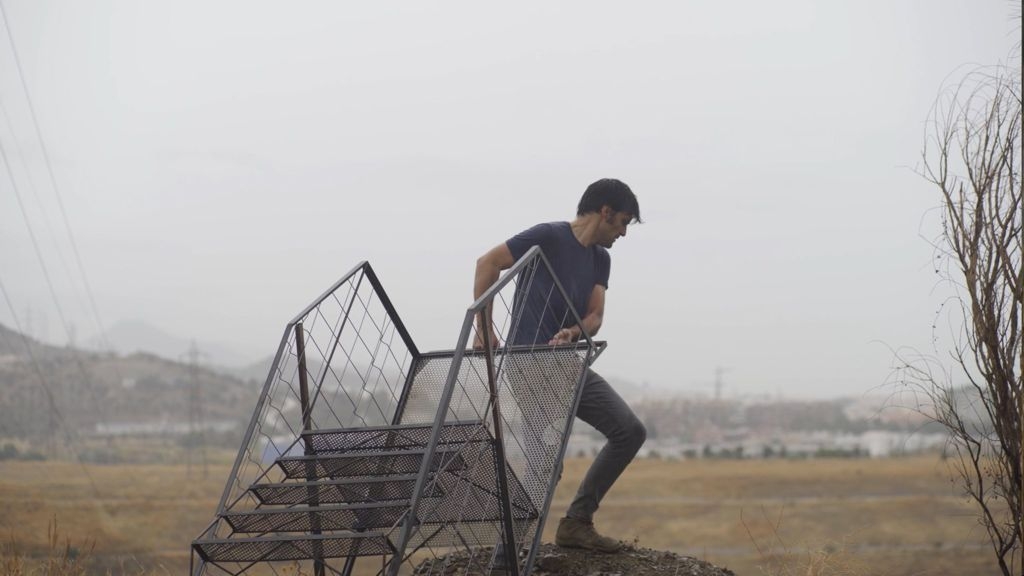
15 Minutes from Los Asperones is a project developed between artistic practice and urban planning. It is a work of listening that sought to create shared experiences and generate reflection on an issue that is repeated throughout our geography.
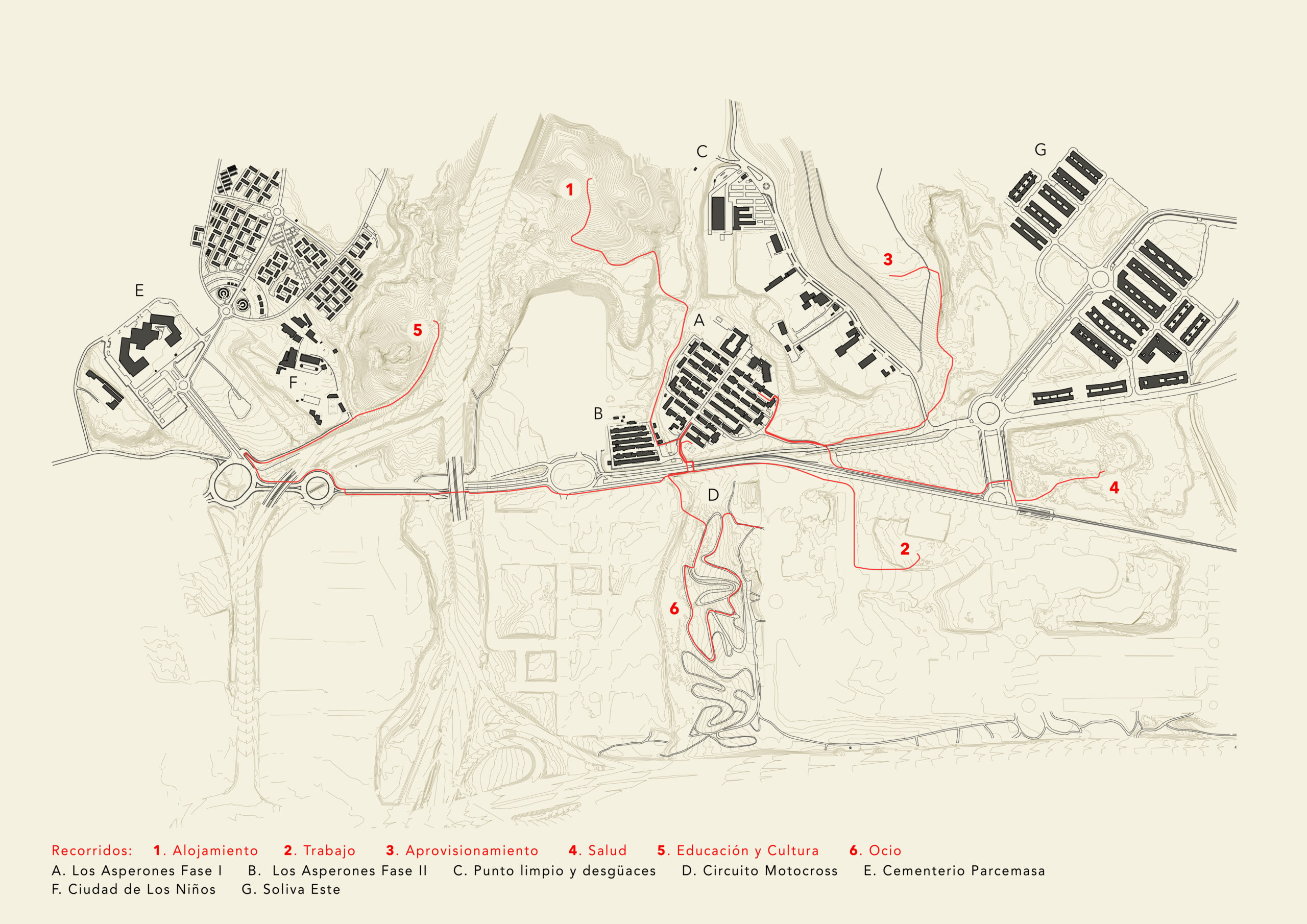
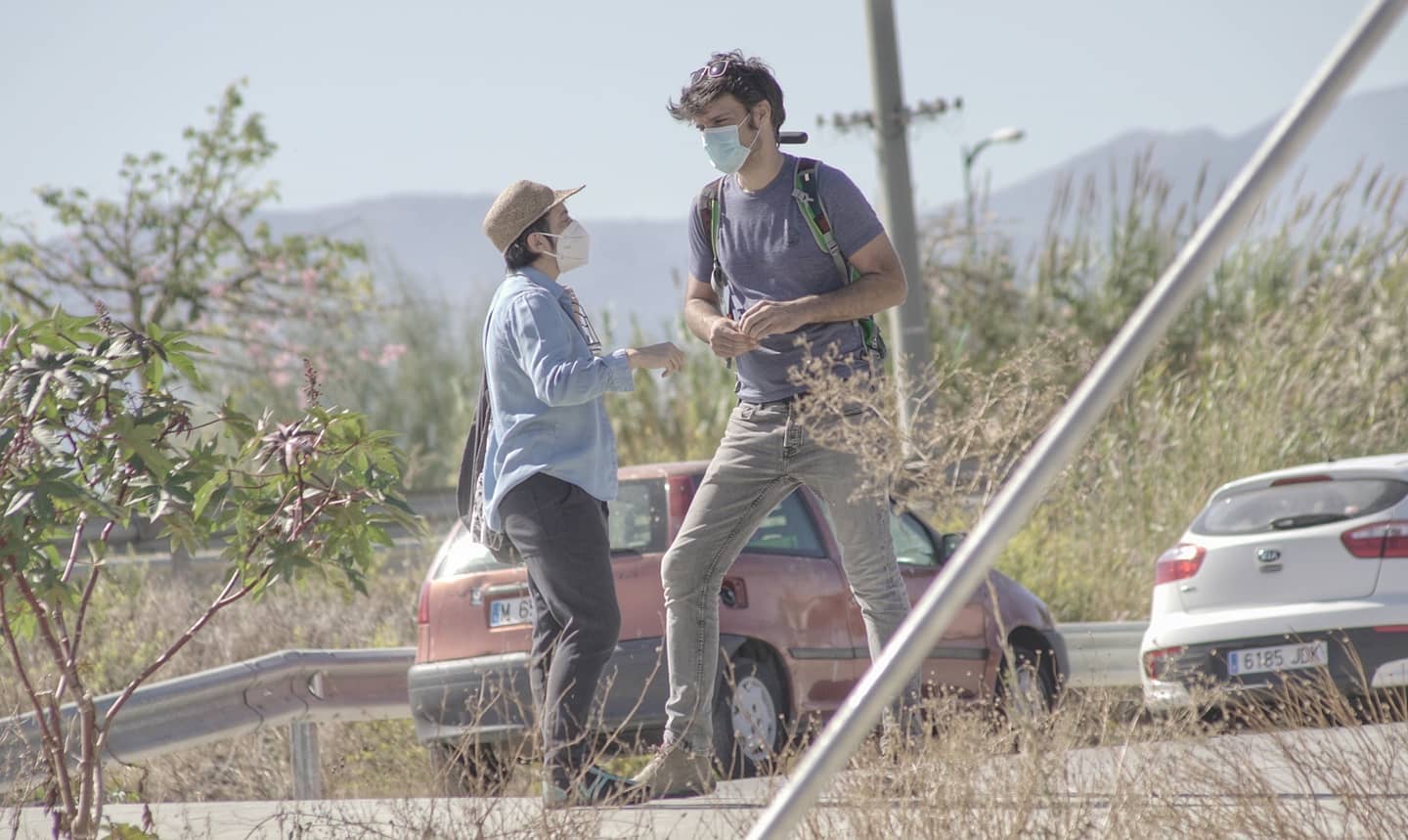
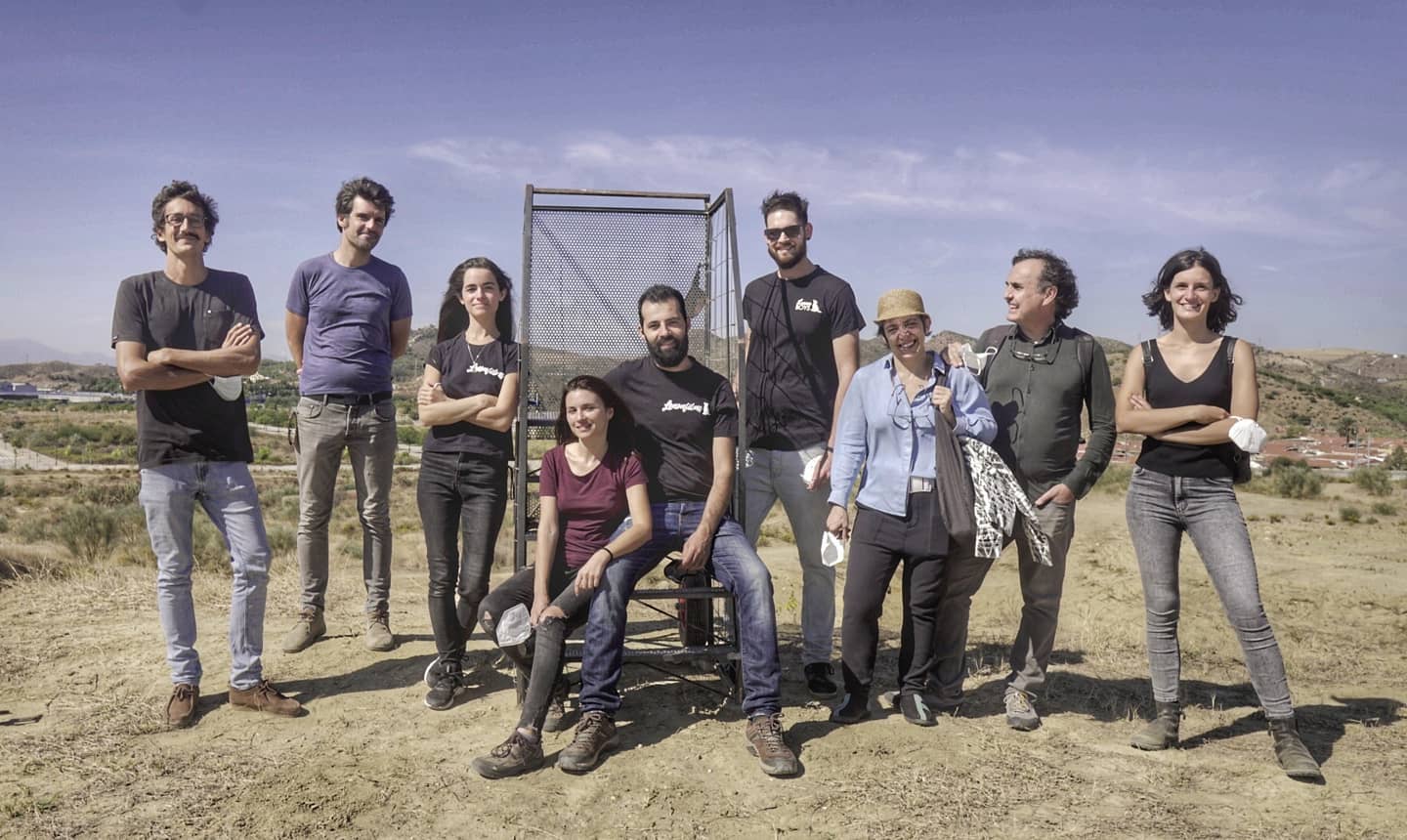
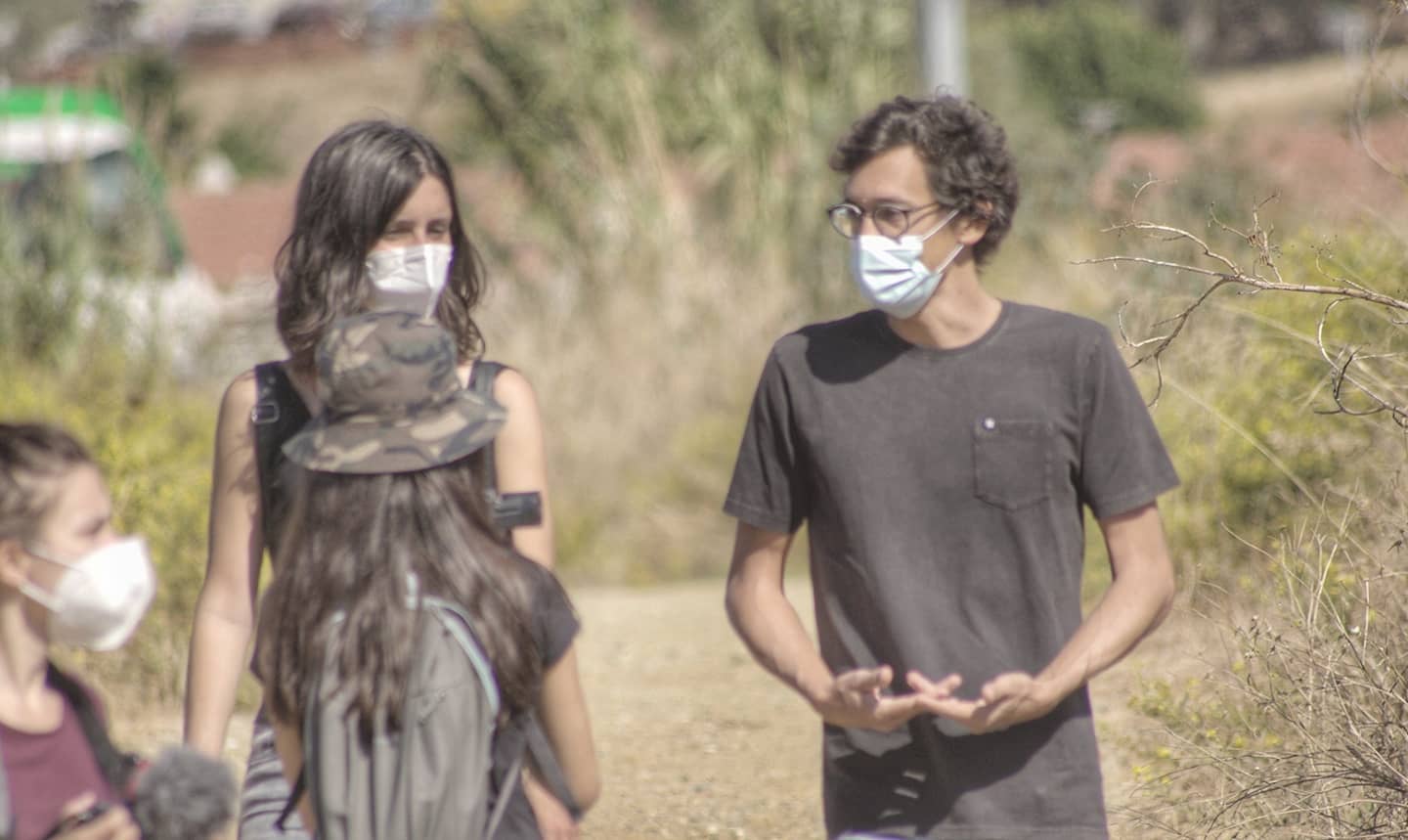
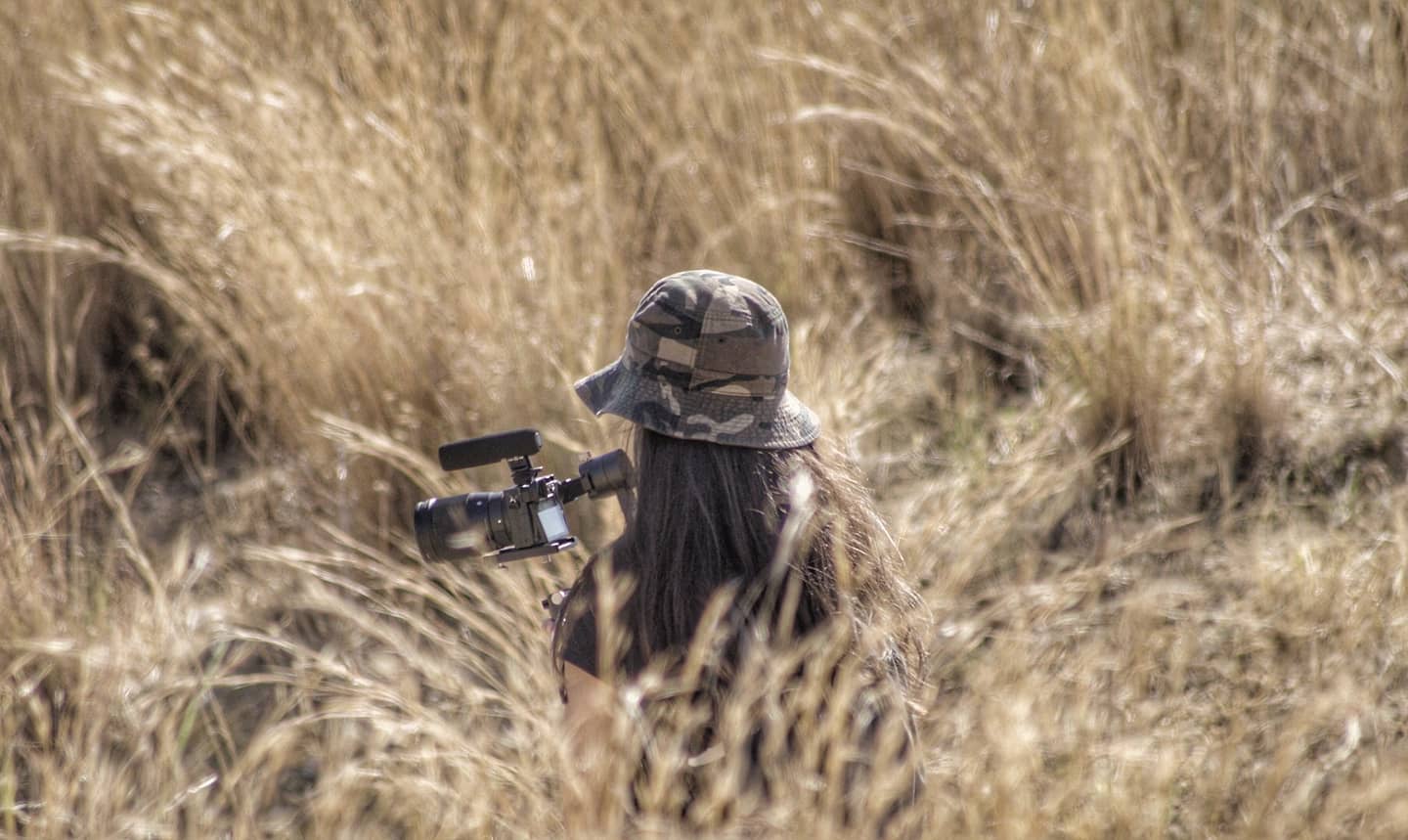
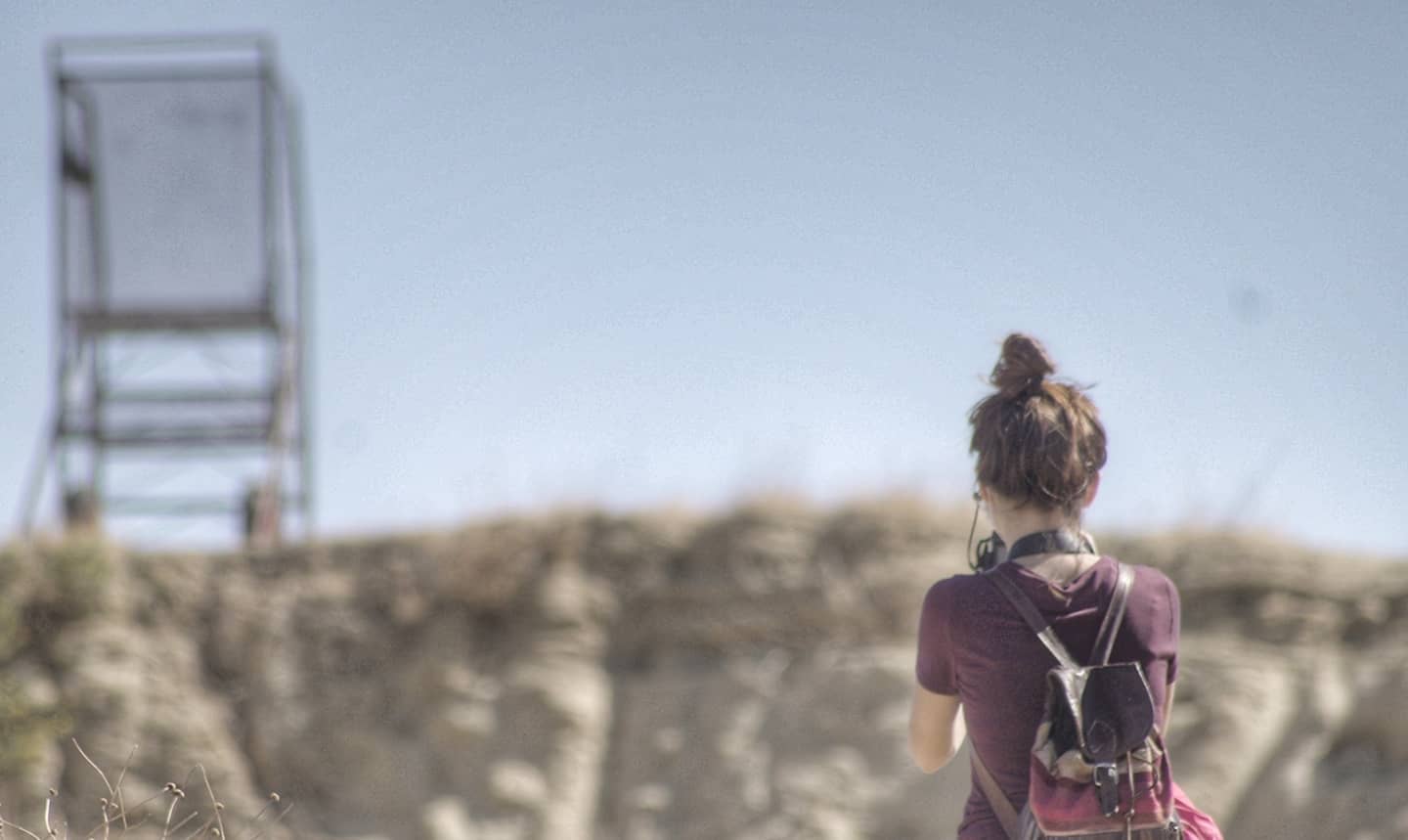
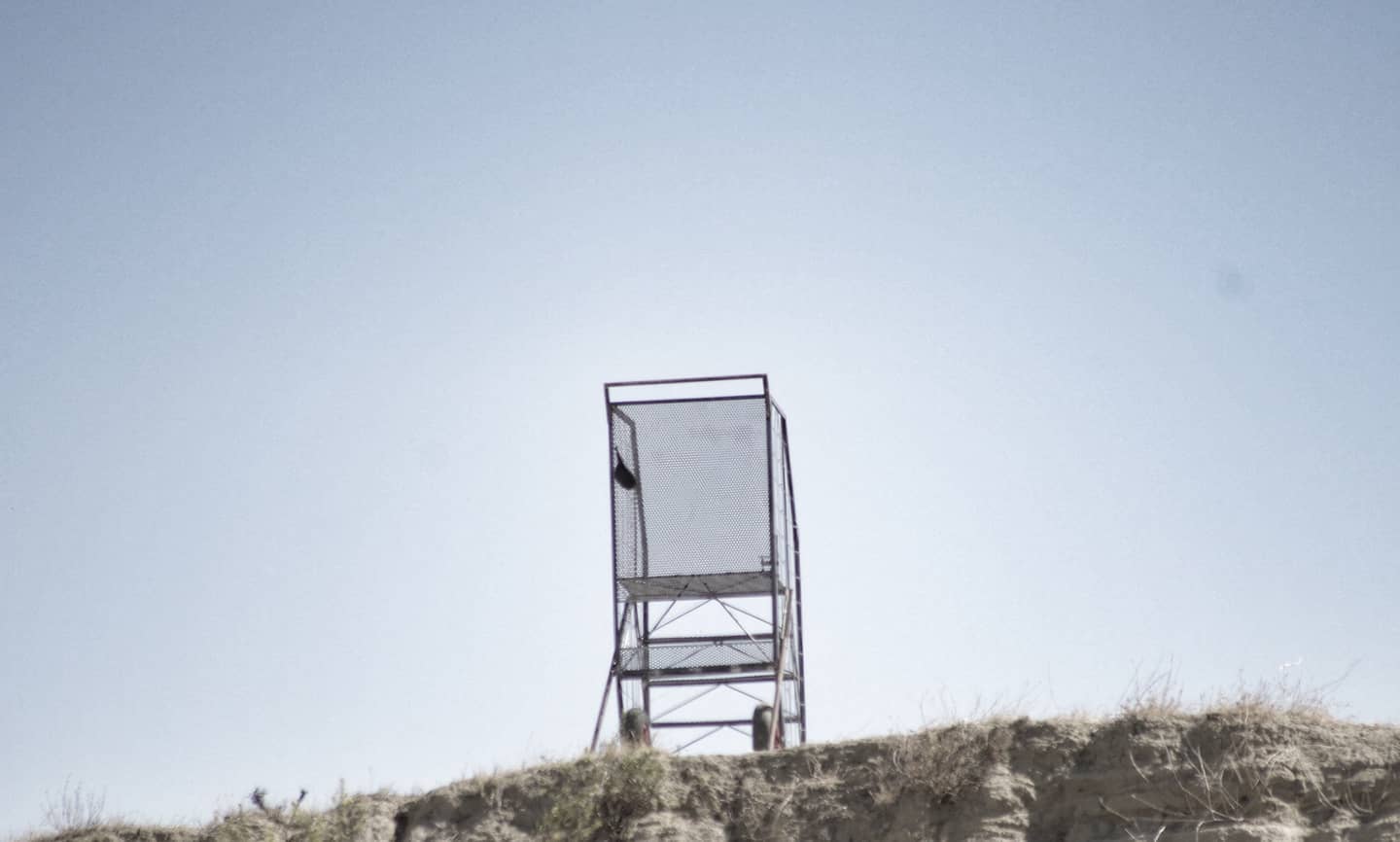
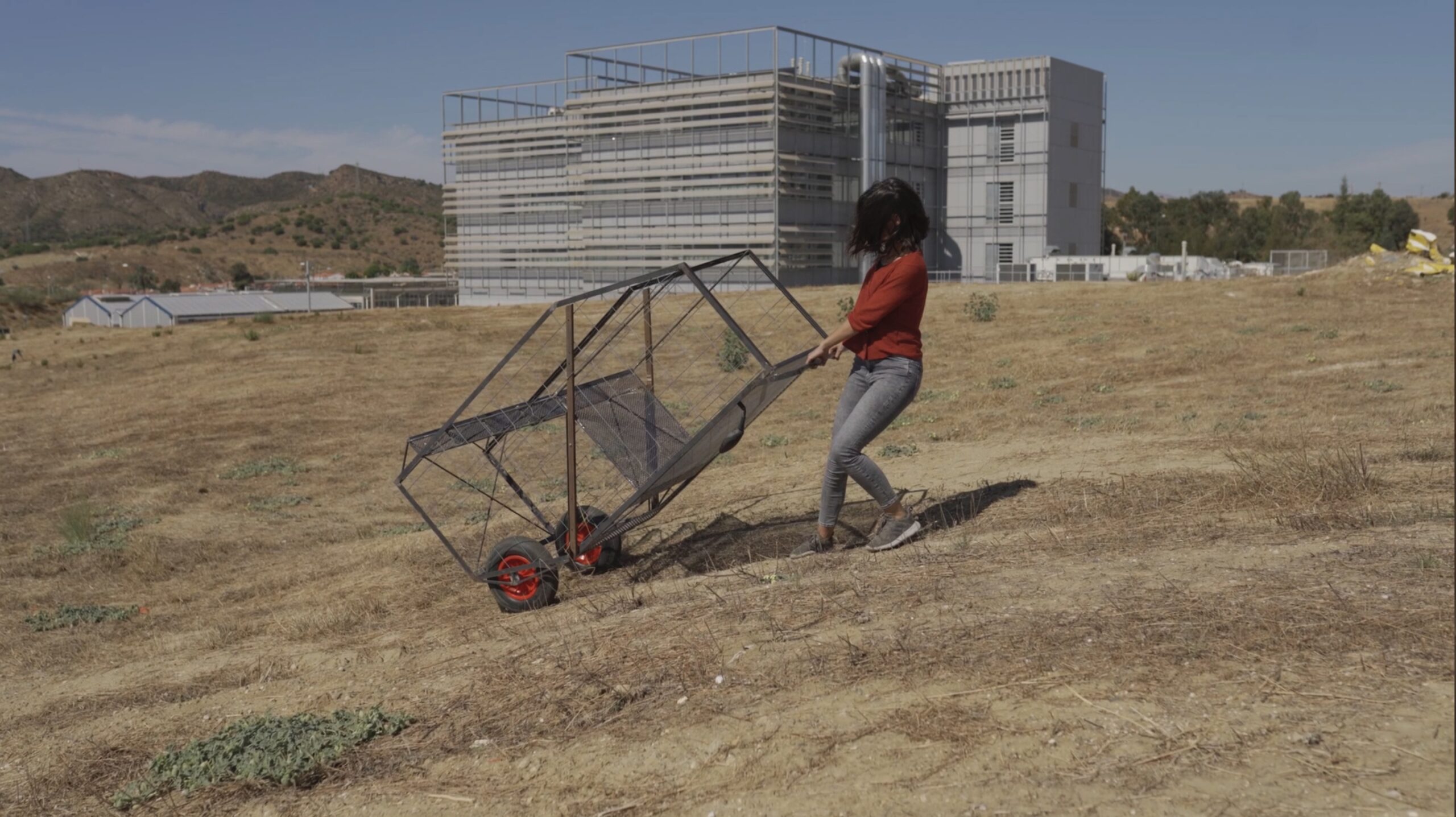
This action-research project unfolds on two levels of work. The first line, of listening and understanding, relies on audiovisual resources in a documentary manner through interviews with professionals from different fields. A second layer of the work is developed through a poetic action in which the authors take turns moving a purpose-built device that they transport along the same routes, starting from Los Asperones and covering the accessible surroundings within a maximum time length of 15 minutes. The cart-viewpoint recovers the idea of nomadism characteristic of the Romani people and incorporates the perspective of elevation. Like Camus’s Sisyphus, the authors push their symbolic artifact, drawing impossible exits over a territory surrounding the neighborhood that imposes its own physical and temporal limitations.
In Málaga, the Los Asperones neighborhood represents a void in the mental maps of the city. This residential nucleus, located on the city’s periphery, was built in 1987 to temporarily house more than a hundred Romani families from various shantytown settlements. The uprooting caused by displacement and the temporary condition of the neighborhood has generated over the years an unsustainable situation of precariousness and disconnection from the rest of the urban fabric.
Various current urban trends promote the proximity city, a more ecological and socially sustainable city model. One of the most illustrative strategies is that proposed by urban planner Carlos Moreno, developed by the Paris City Council, known under the slogan The 15-Minute City. Fifteen minutes is the maximum spatial-temporal measure within which each inhabitant should have access on foot or by bicycle to necessary services: housing, supplies, health, work, education-culture, and leisure. Extrapolating this utopian parameter of urban-social sustainability to this specific geographical area, we ask ourselves what infrastructures the inhabitants of Los Asperones find within that radius and what other landscapes shape their daily reality in that non-place.